
Rural & farm buildings
Sheds & farm buildings Custom-built on site, around how your farm works.
- What we build
- Pole and hay sheds, woolsheds, implement sheds, yards
- Where
- Horowhenua and the Kāpiti Coast. Rural work travels further.
- Who builds it
- The builder who prices it. LBP in Carpentry, 20-plus years.
Sheds & farm buildings
Built around how
Woolsheds, farm buildings and other site-specific rural work across the Kāpiti Coast and into Horowhenua — practical, sound construction suited to the realities of a working property.
Every site is different, so the approach is worked out on the ground with you, not from a standard template.
When you tell us what you want built, the first thing we'll ask is why: what's going in it, and how the gear, stock or hay gets in and out. Then we walk the site with you, ideally with the shed pegged out, and settle the levels, drainage and access early. Plans are easy to change before the tools are out. You get rough costs as ideas come up, so you can tell which ones are worth it.
We custom-build on site, not from a kitset. That means we can build around your site and your gear, and how you work. The builder who prices your job is the one on site doing it. We run one main project at a time.
What we
The sheds and farm buildings a working farm or lifestyle block needs. Yards too.
Pole sheds
For farms and lifestyle blocks. We custom-build on site, not from a kitset, to fit your gear and your site, with room to get in and out.
Woolsheds
We build around how your farm works, including the grating, pens and board, and the details that never appear on a plan: how a gate hangs when it's open, how easily a part can be swapped later.
Implement & machinery sheds
We size the shed around your gear. That means room for the tractor to turn, rather than a standard kitset footprint.
Hay & fodder sheds
Timber pole sheds, open-fronted or fully enclosed, with airflow and room for loading vehicles.
Sheep & cattle yards
Timber sheep and cattle yards built or repaired for stock handling.
Sheds & workshops for lifestyle blocks
Storage for your ride-on and tools, space for a workshop, or a shed that does both.
Farm building repairs
We repair woolsheds and implement sheds: re-piling, recladding, new doors and rails, and storm damage repairs. Whether to repair or replace comes down to the building's condition, your budget and how long you need it to last. If a repair will only buy time, we'll say so before you pay for it.
The work behind this page
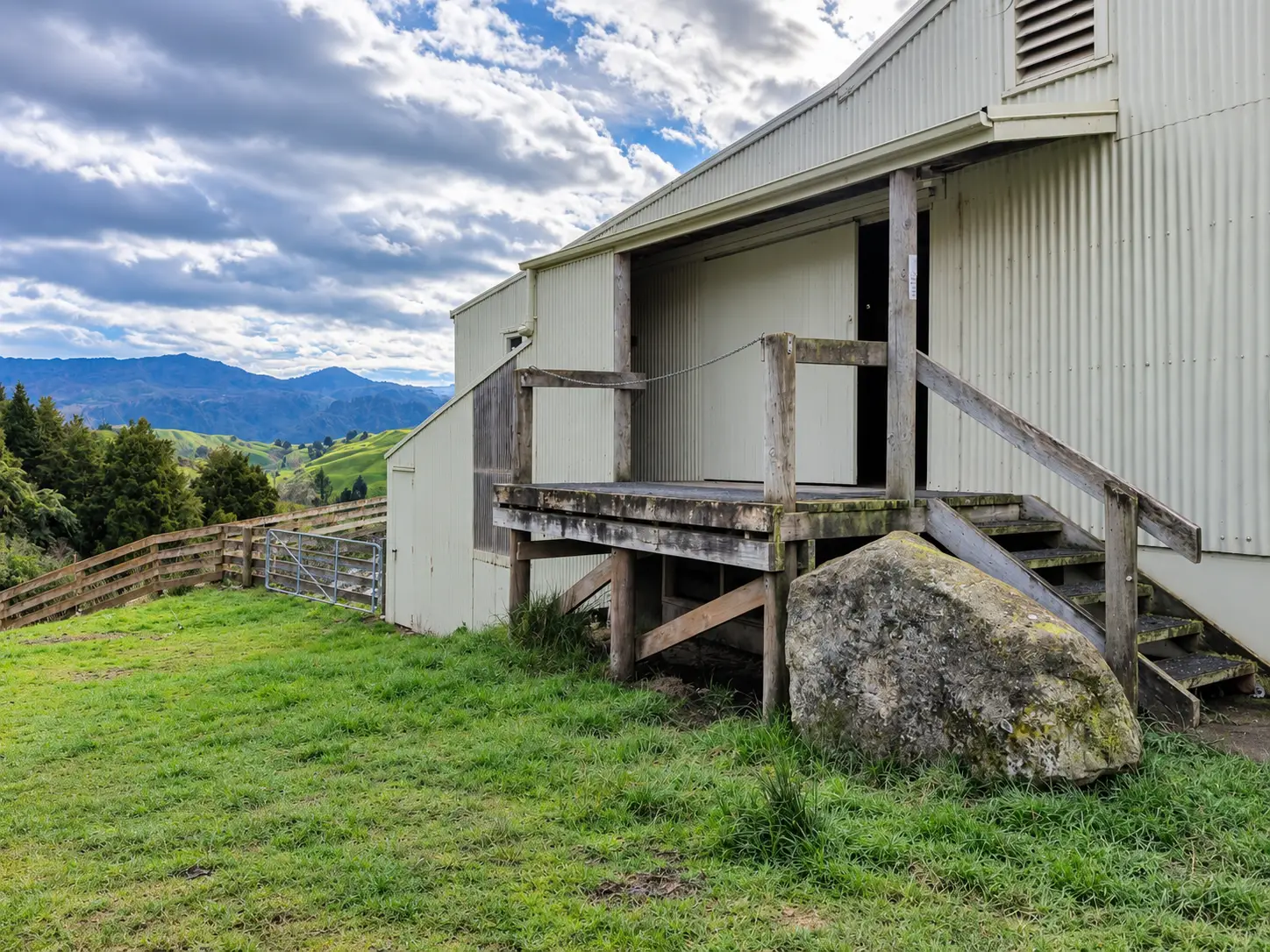
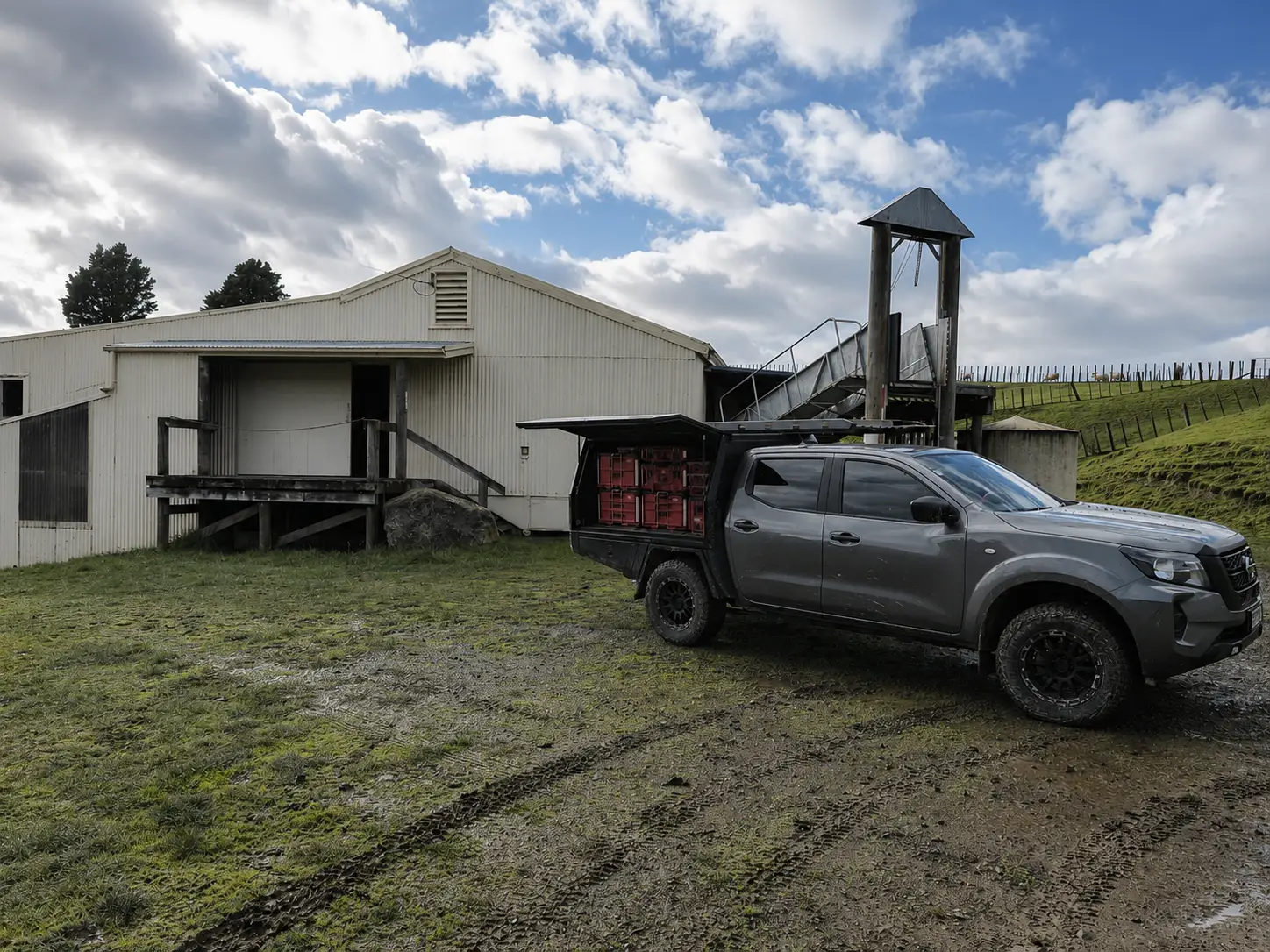
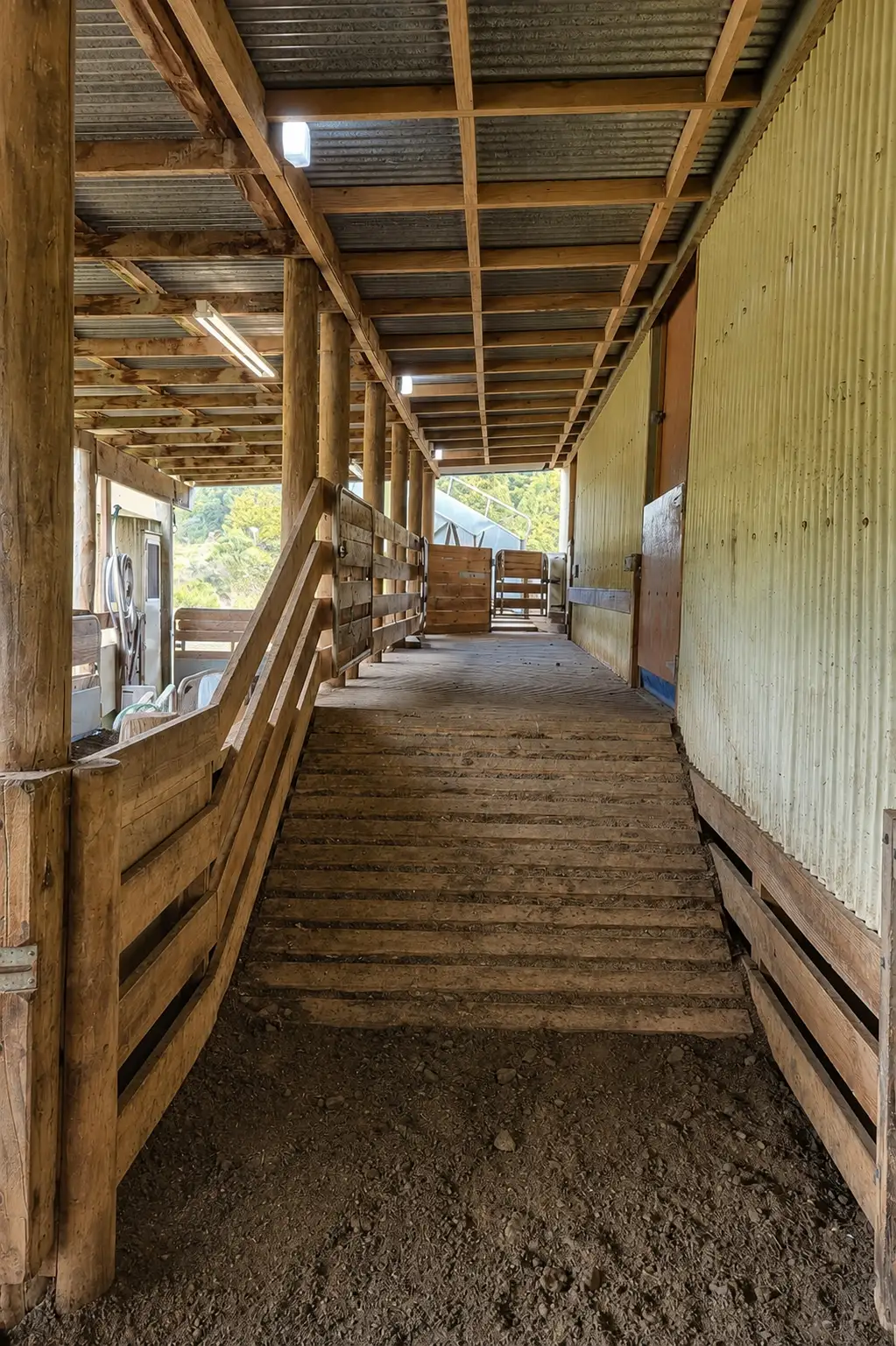
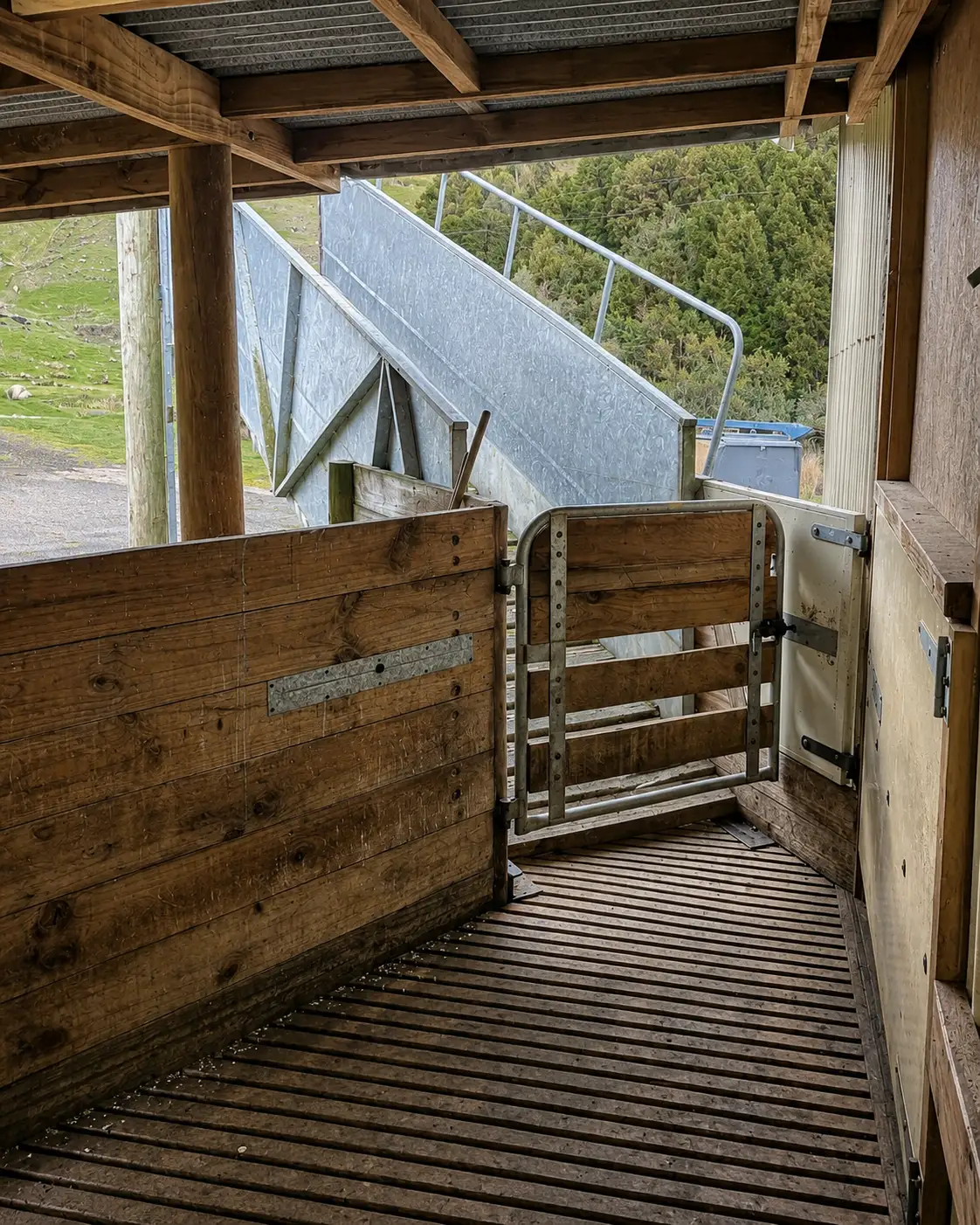
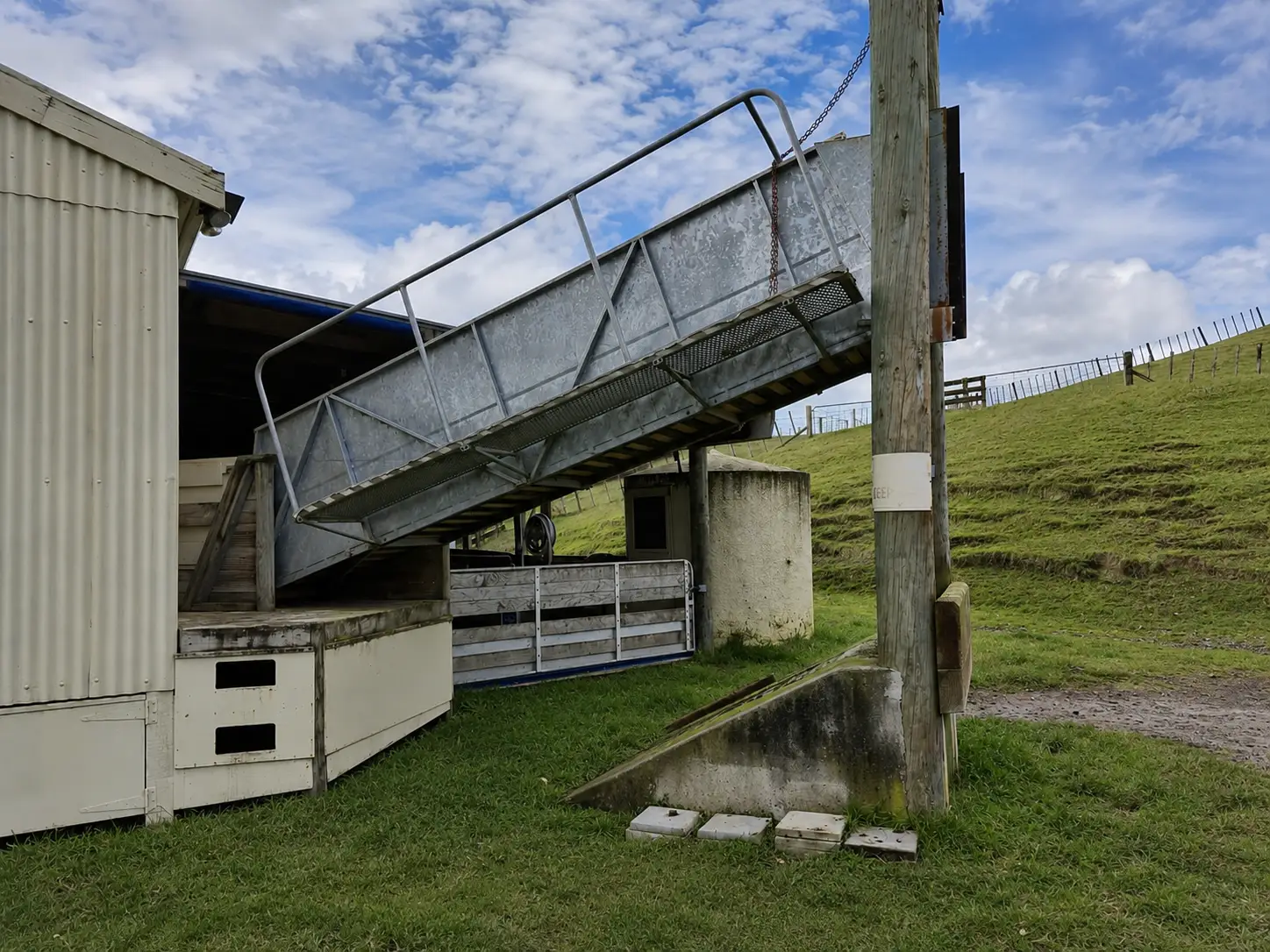
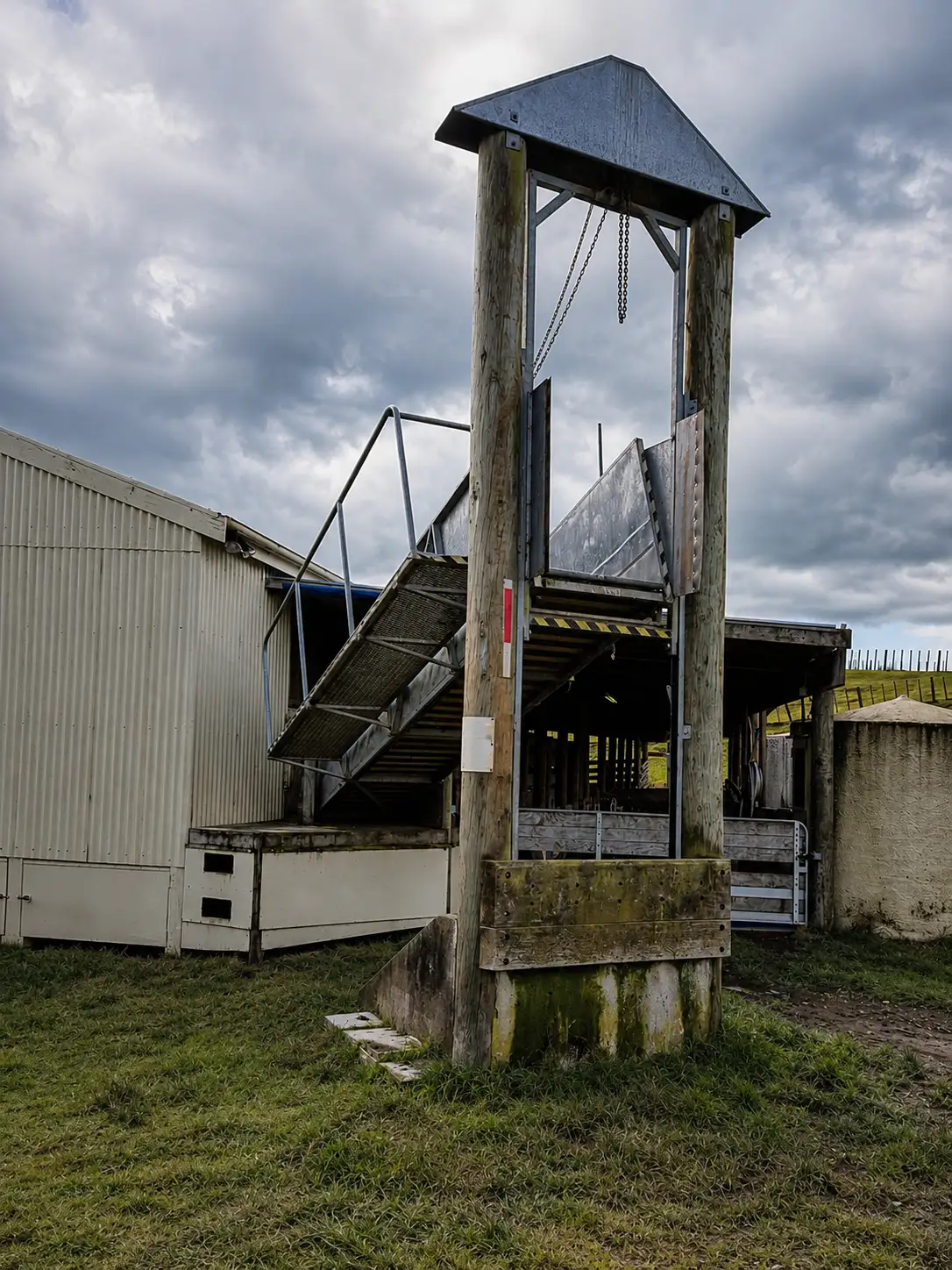
A woolshed rebuilt around the way the stock moves
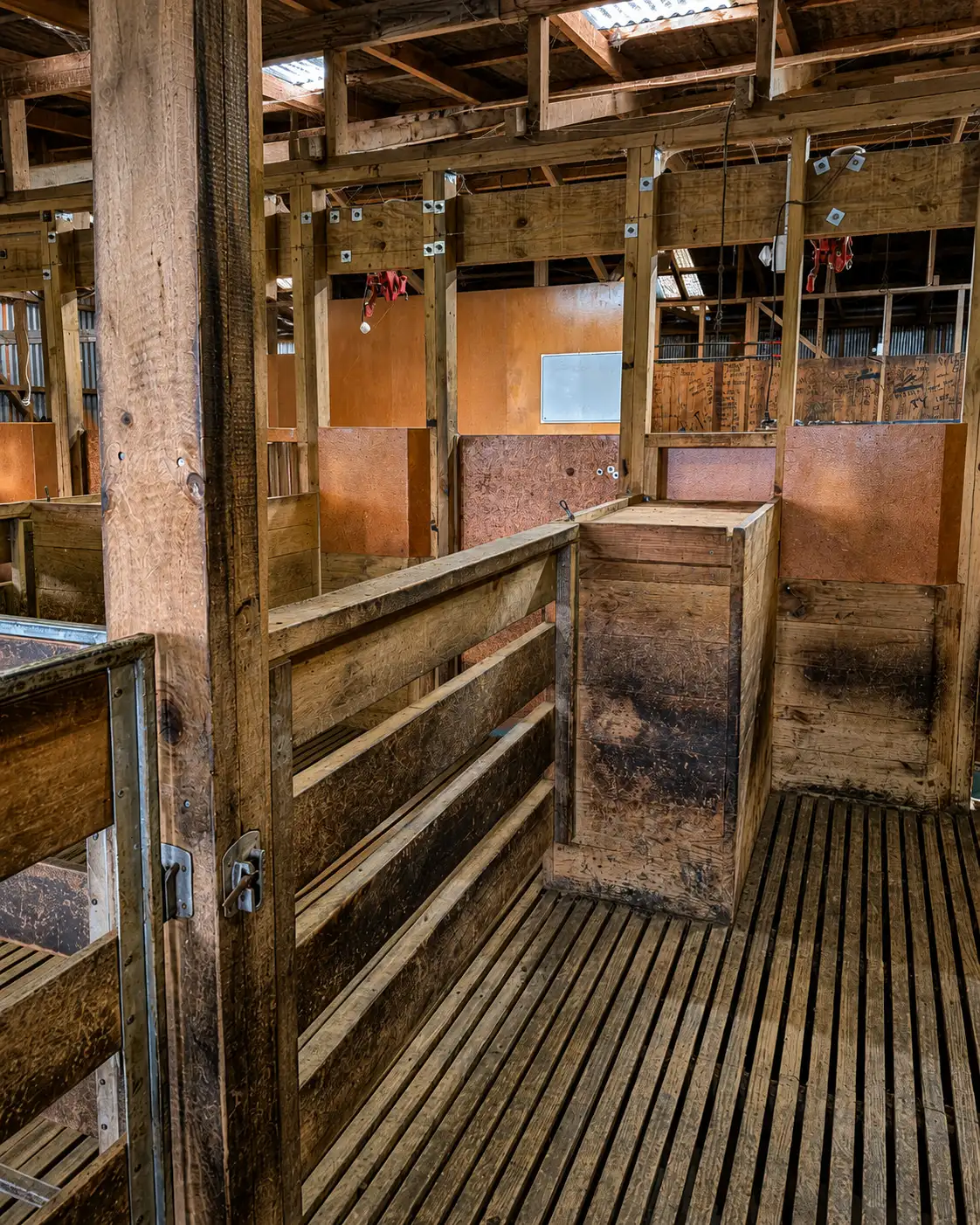
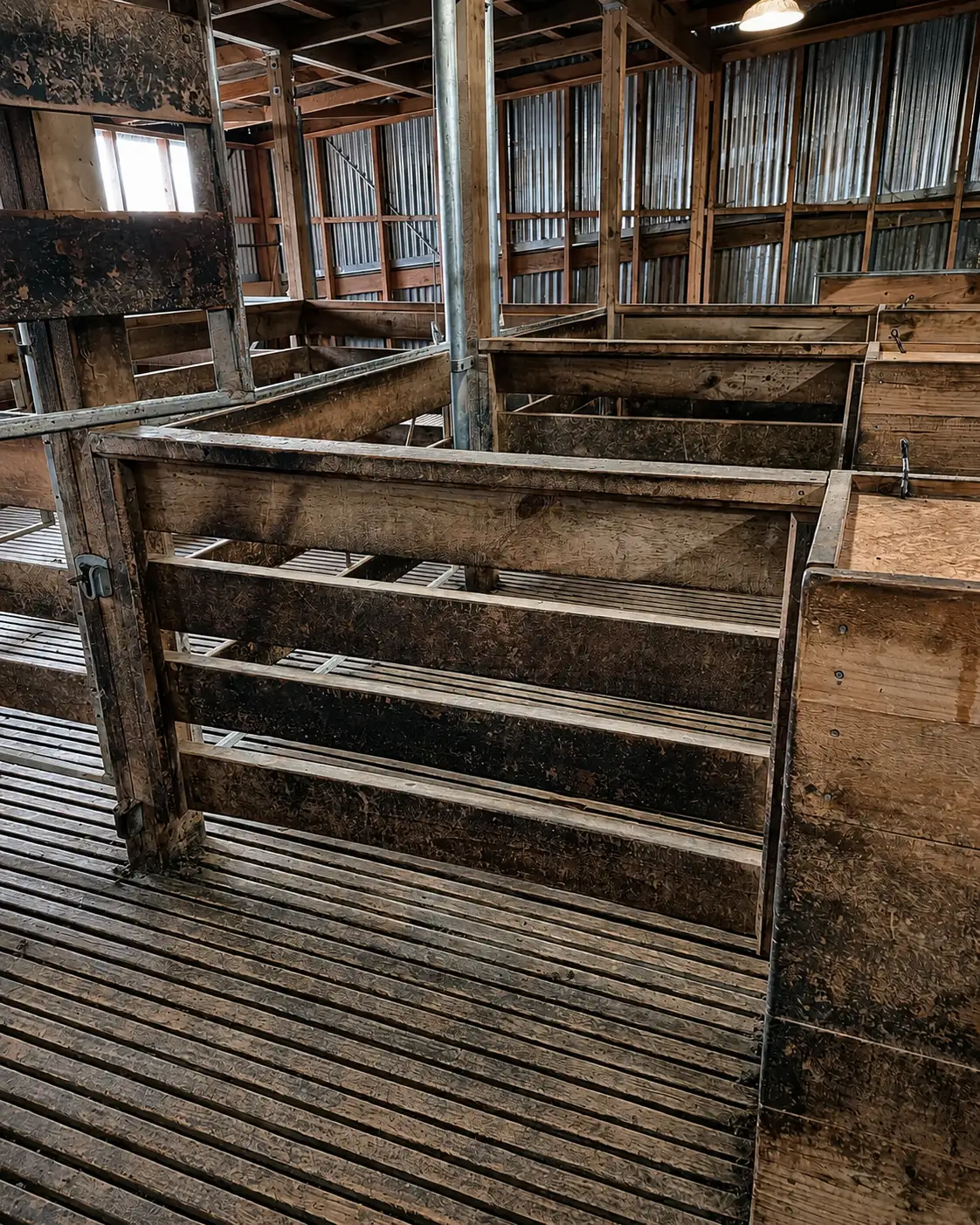
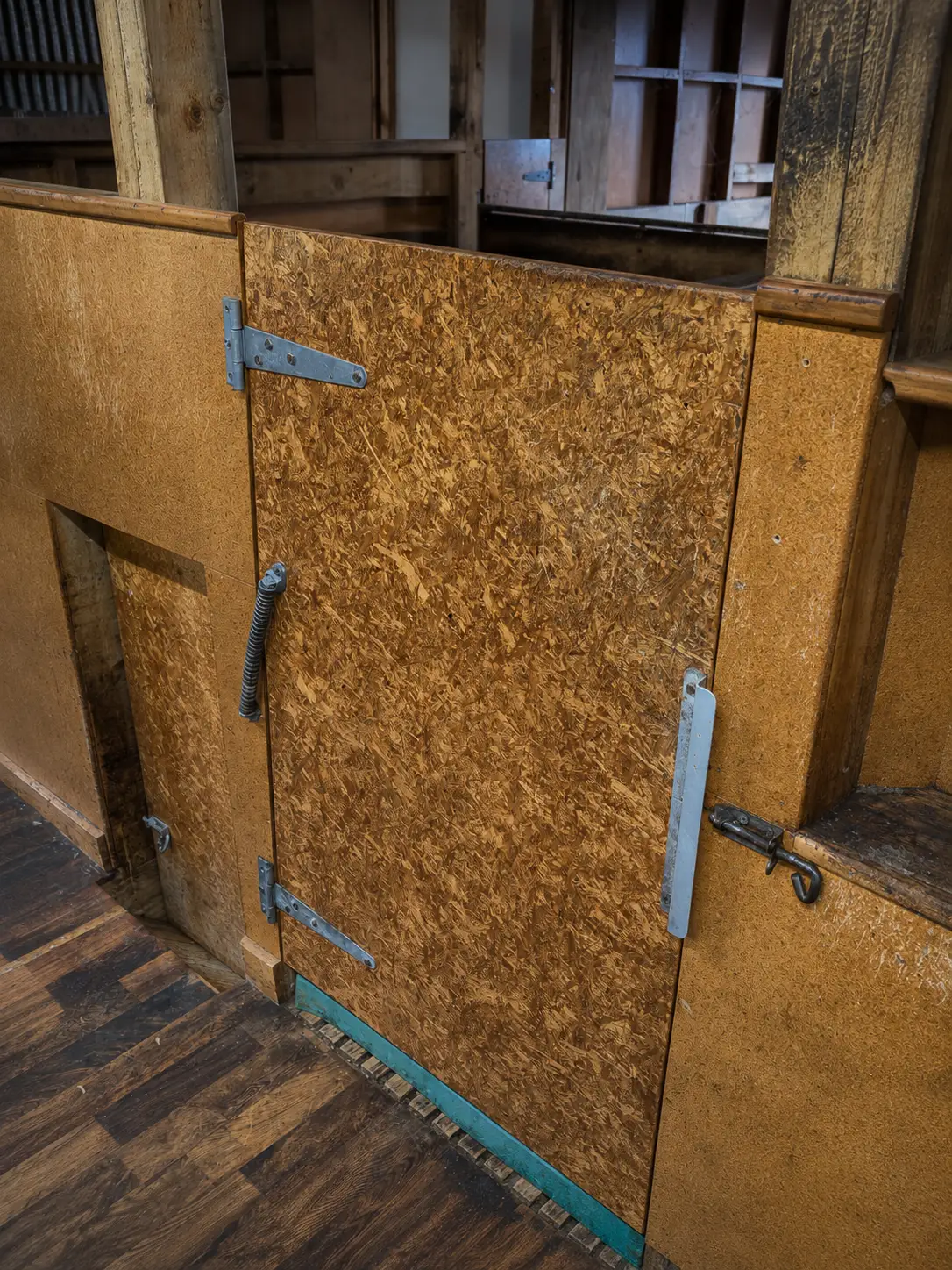
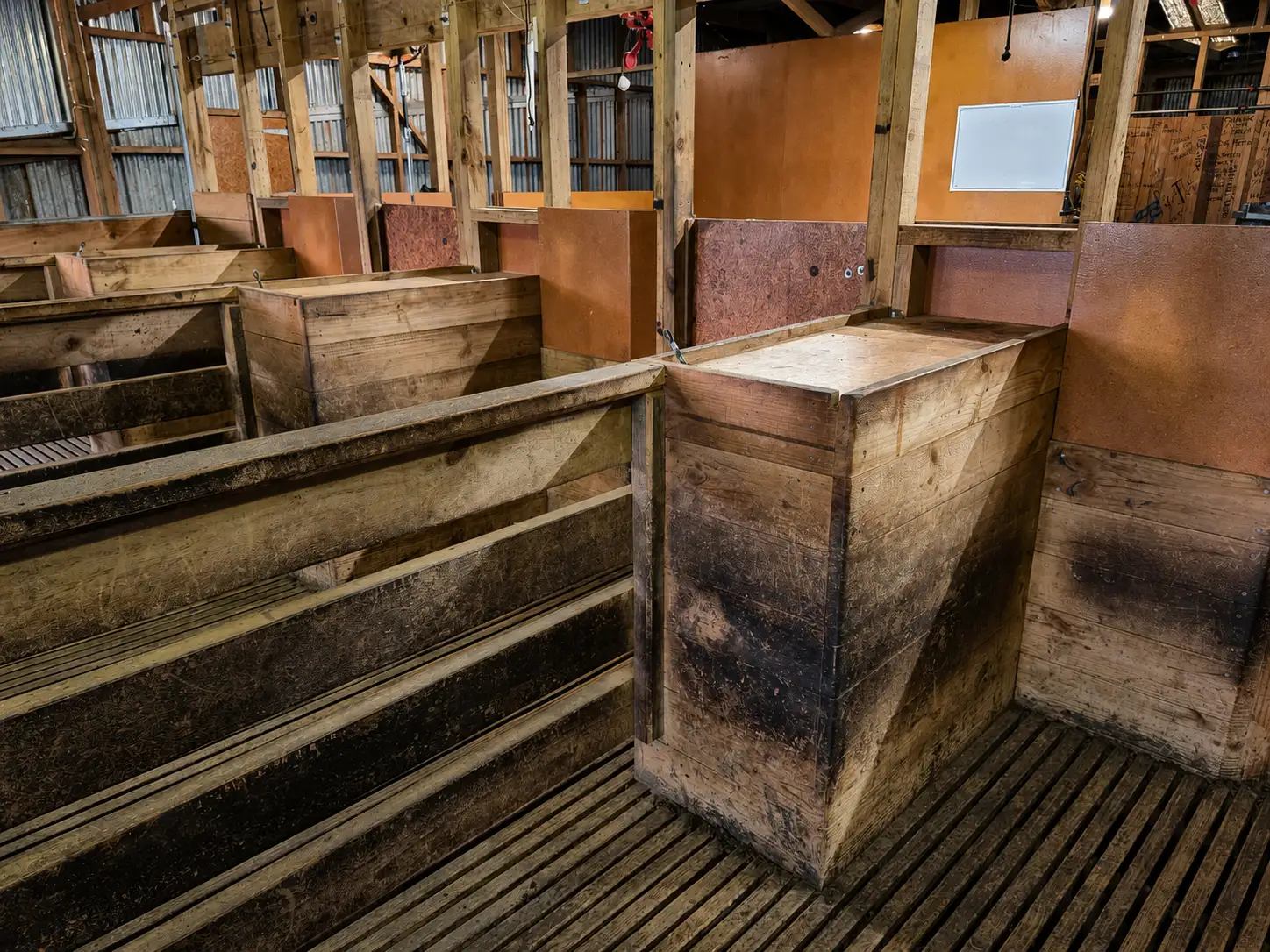
Clinton rebuilt the working half of a woolshed on his family's farm at Maire Hills, near Taumarunui. He did it on his own: the catching pens and their doors, the chutes, the grating and the wall behind the shearing board.
The doors are bolted, not screwed or welded. A farm door gets opened and slammed thousands of times a year, and the fixing is what gives out first. He reports the doors, hinges and catches are still working well some thirteen years on.
See the woolshed build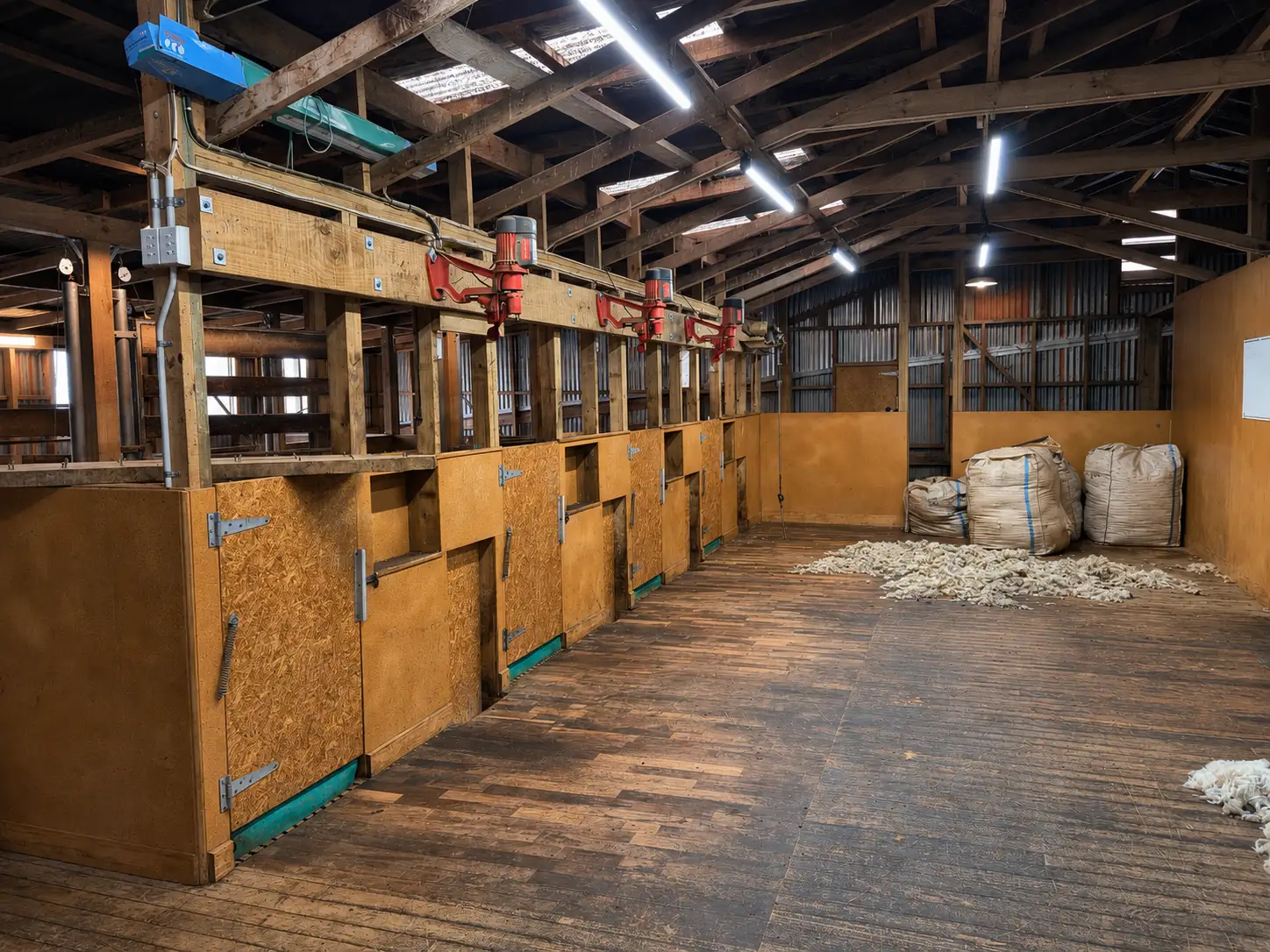
Kitset, or
The difference is what the price covers.
| A kitset | Built on site | |
|---|---|---|
| The price | Typically covers the materials | Covers the finished, standing building |
| Siteworks and foundations | Usually leaves out the slab, and can leave out drilling and concreting the poles | Part of the job |
| Putting it up | Sometimes included, by an installer working for the seller | Part of the job |
| Drainage | Not in any kitset quote we've seen | Organised as part of the job |
| The design | A standard footprint | Adapted to your site and how you'll use it |
| Consent | Yours to organise | We'll tell you honestly if consent isn't needed |
| Who answers for it | Each part, separately | We answer for the job throughout |
For site-specific work such as timber yards or woolshed internals, a kitset isn't the product. If a kitset quote includes putting it up, read it for what's left out.
Where
Farm buildings are part of our business, not a sideline. Most rural clients don't have a builder just down the road.
How far we'll travel depends on the job. We'll travel further for rural builds than small repairs. The callback settles it in one conversation.
Before work starts, we'll talk about how long the job can realistically take. Weather can hold things up, as can digging the site out. If the date has to move or there's a problem on site, Clinton rings you as soon as he knows, with the options and what they cost.
Horowhenua
- Levin
- Waitārere Beach
- Hōkio Beach
- Foxton
- Foxton Beach
- Shannon
- Tokomaru
- Ōhau
- Manakau
Kāpiti Coast
- Ōtaki
- Te Horo
- Peka Peka
- Waikanae
- Waikanae Beach
- Paraparaumu
- Paraparaumu Beach
- Raumati
- Paekākāriki
Common
A kitset price typically covers the materials, and sometimes an installer to put it up. Siteworks, foundations, consent and fitting the design to your actual site are usually yours to organise. A builder prices the finished, standing building, adapts it to the site and how you'll actually use it, and remains one accountable party throughout.
If a kitset quote includes putting it up, check what's left out: drilling and concreting the poles on a pole shed (a big cost), usually the concrete slab, and, in Clinton's experience, always the drainage. Downpipes that run straight to the ground put water into the shed or wash out its foundations.
Where a design is site-specific, like yards or woolshed internals, a kitset isn't the product. And where a smaller rural building may not need consent at all, we'll tell you honestly when your job qualifies.
Not always, and we'd rather say so up front. Clinton is usually on site on the main project, and repairs fit around it, so he can't always get there straight away. He'll give you a straight answer about when he can.
For a leak, book a callback and send photos of where the water is showing, with a note of when it happens. He'll look at them before you talk, and you don't need to have found the source. If it's a burst pipe, that's a job for a plumber first. For a small job a long way off, we'll also tell you if the travel would cost you more than the fix is worth.
See this on the Common questions page
Read the guide: Finding a leak, and when a repair is the honest answer
Yes — farm buildings are part of the business, not a sideline, and most rural clients don't have a builder just down the road.
Distance is discussed honestly on the callback: some small jobs at a distance aren't economic for you, and if that's the case we'll say so and point you toward someone closer.
We're a Kāpiti-based building company working across Horowhenua, the Kāpiti Coast, Porirua, the Hutt Valley and Wellington City.
How far we'll travel depends on the job — rural builds travel further than small repairs — and the callback settles it in one conversation.
As soon as Clinton knows, and from him. You won't have to chase him to find out. That includes a booked start date that has to move.
He'll talk you through what the delay means for the job, the options for moving forward and what they cost. That's a phone call, not a text, with the detail following in writing. While the job is held up, he looks at what else on it can go ahead.
Every site is different. We start by talking about yours. Book a time to talk directly with the builder who would be responsible for doing the work.
How working with us goes
Clear fromthe start.
We keep it simple so you can move forward with confidence. Here's what happens next.
Make your booking
Pick a time that suits you and we'll talk the project through. You don't have to guess whether we're on the tools — the time is already set aside for you.
Submit any photos or documents
Once you've booked, send through photos, plans or anything else that explains the job. It reaches us before the call, so we're not starting cold — Clinton can look for the parts that will need thinking about before you talk.
A quote, or a discussion of next steps
When we understand the work, you get a quote. Where there's more to work out first — and there usually is something — you get a straight conversation about what that involves.